Korea on Stage New York
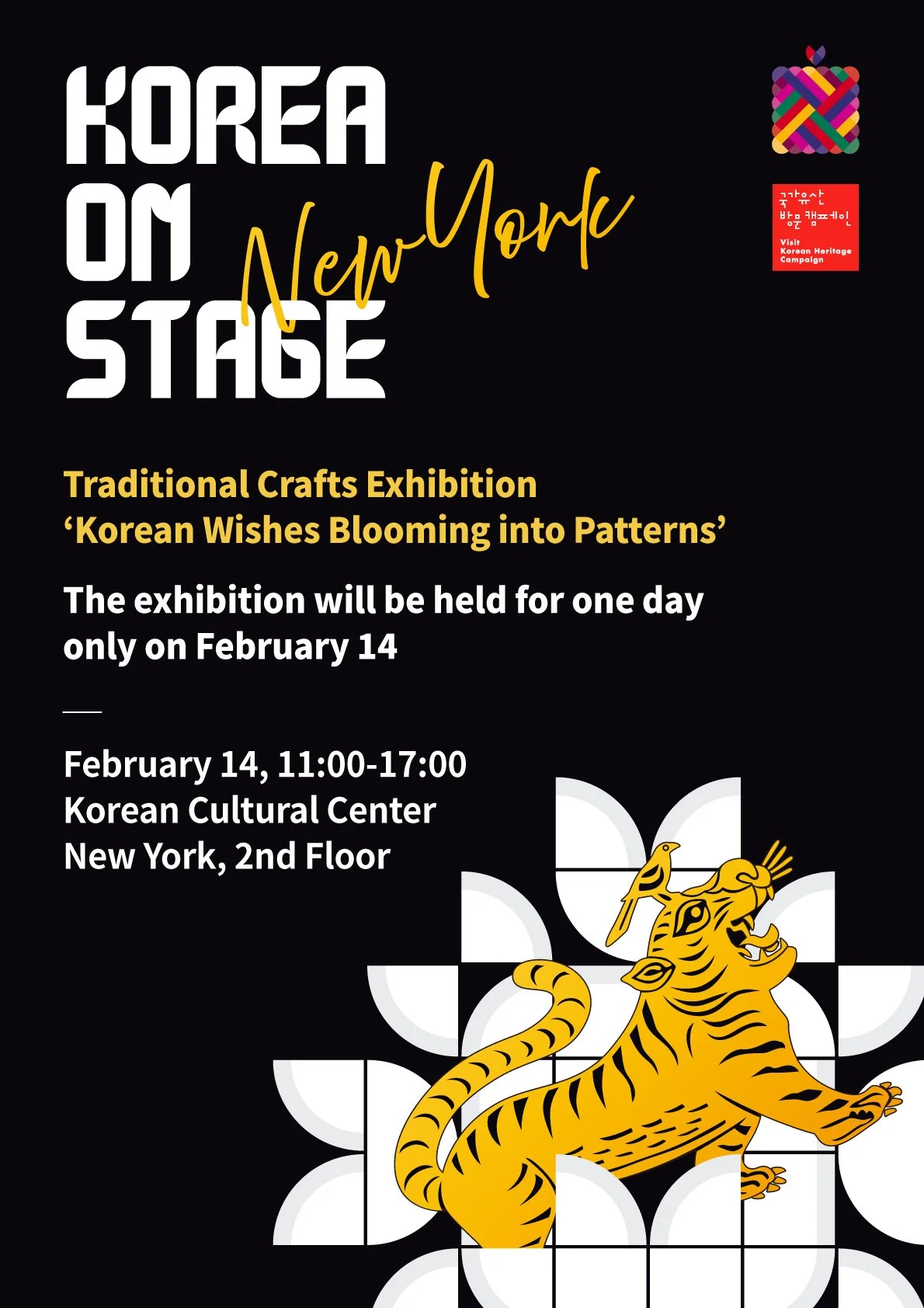
On view: Saturday, February 14, 2026 (11 AM - 5 PM)
Venue: Korean Cultural Center New York
(122 E 32nd Street, New York, NY, 10016 (1st & 2nd Floors))
Korean Wishes Blooming into Patterns
Dreams Gilded in Gold Leaf
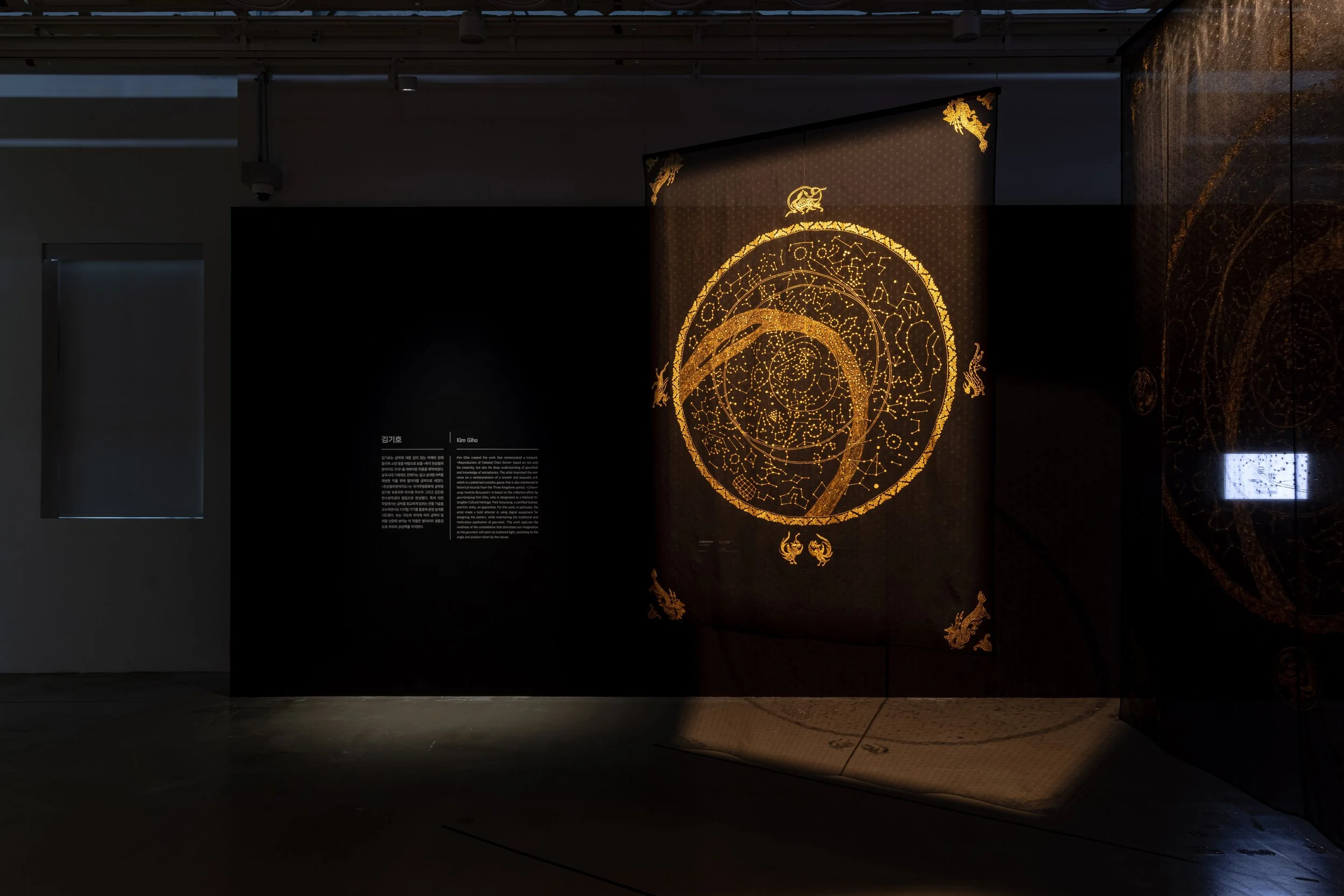
Korean traditional patterns contain wisdom that inscribes the principles of harmony and coexistence found in nature, seeking to understand ideal aspirations with humanistic depth. The exhibition’s representative work, the gold-leaf Cheonsang Yeolcha Bunyajido, bestows a sense of the most noble and splendid eternity beyond that of a mere astronomical chart depicting the constellations of the sky. From ancient times, gold has been treasured for its everlasting purity and beauty. As such, adorning objects with gold was regarded as a remarkable artistic realm—one that embodied human dignity and aspirations—and was applied to royal craftsmanship. Inherited from tradition and reborn in a contemporary context, the constellation patterns of the gold-leaf Cheonsang Yeolcha Bunyajido encapsulate the order of the universe and the generative principles of the heavens, while at the same time symbolizing the eternal blessings of dreams held by people today.
Elegance Shaped by Hope
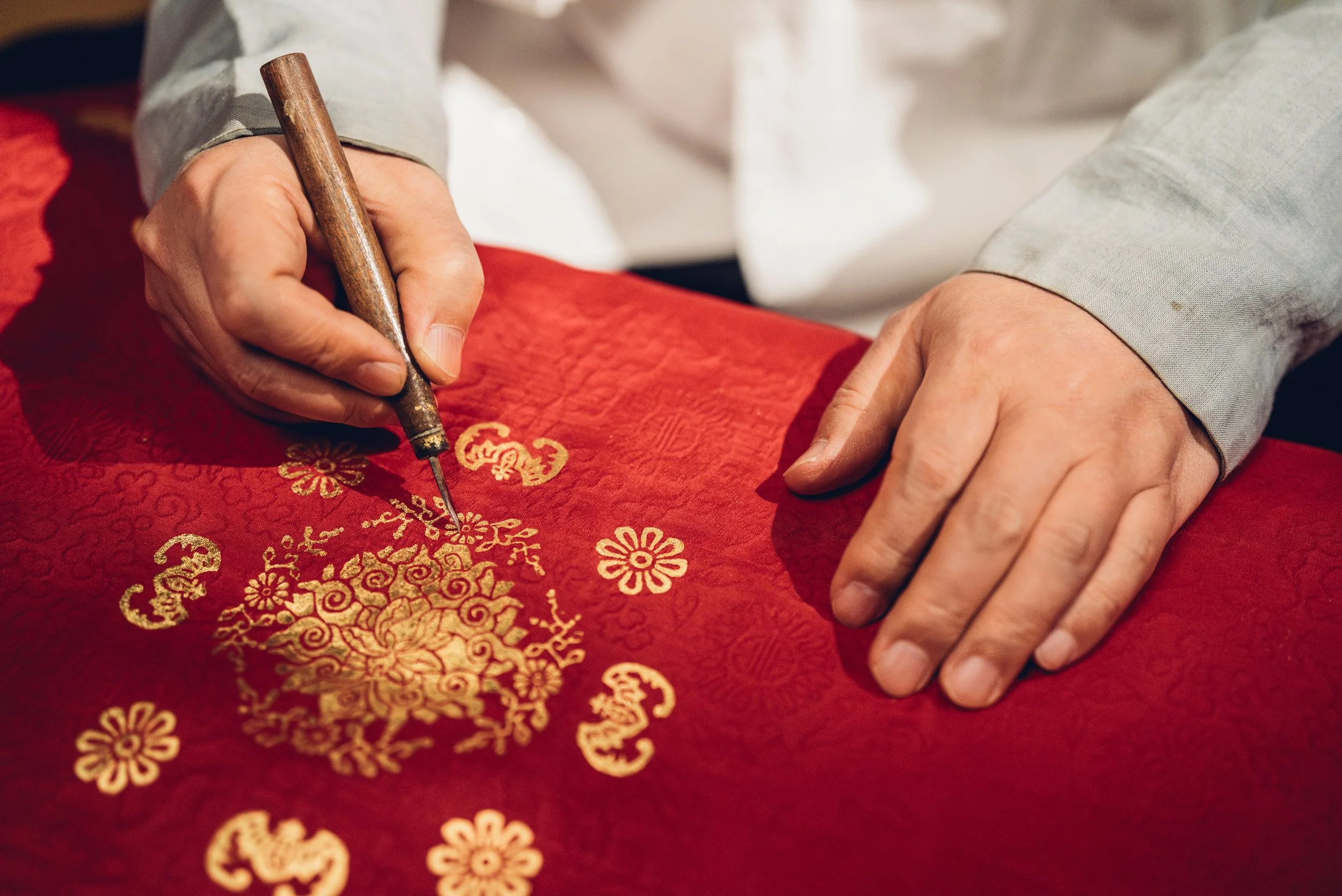
Korean traditional patterns enriched the meaning and value of everyday life by combining material form with symbolic significance across a wide range of objects. Gold-leaf dragon motifs adorning royal items expressed the king’s authority to govern the heavens; bat motifs decorating the gat of the yangban upper class symbolized blessings and good fortune; vine patterns on luminous mother-of-pearl lacquer boxes conveyed vitality and prosperity; bosanghwa floral motifs carved on hwagak boxes represented eternal beauty; and butterfly motifs on norigae, imbued with the spiritual meaning of longevity and immortality, expressed wishes for harmony and happiness. As a representative work, Procession of Magpies and Tigers Wedding -Chest Wrapping Cloth, which carries forward the tradition of Joseon royal bridal bojagi, depicts tigers that ward off evil and magpies that herald good news, rendered in gold. By developing the refined aesthetics of the royal court and the essence of aspiration embedded in traditional aesthetics through a contemporary sensibility, the work conveys a wish for the advancement of Korean cultural growth.